From time to time, I hear from critics or skeptics who think I “let AI write my books.” Let me set the record straight: my use of ChatGPT is nothing like what those folks imagine.
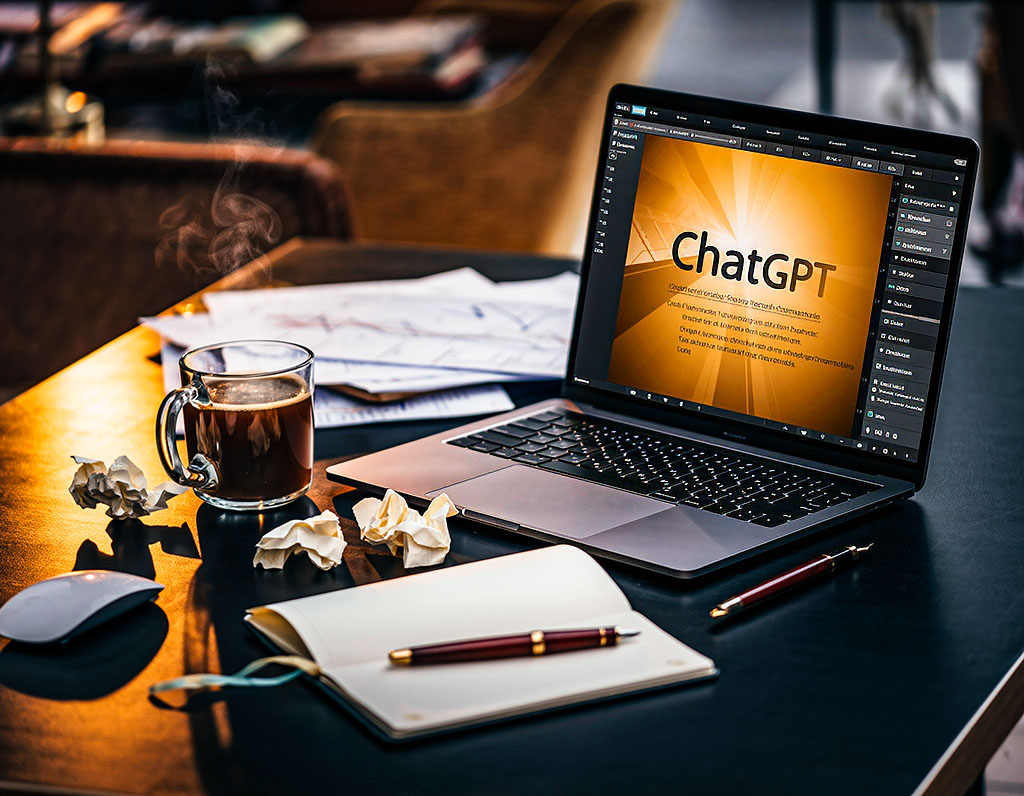
Yes, I subscribe to ChatGPT ($20/month), and yes, I use it frequently—but not to write for me. I use it the way a writer might use a smart, tireless, and opinionated writing partner.
My Process: Draft, Rewrite, Refine
Each scene begins with me: a rough draft in Microsoft Word. It’s not always pretty—more often, it’s a messy mix of outline, narrative, dialogue, and a question or two I might need to research. Think of it as a page full of raw clay.
I’ve found that short prompts don’t work well for me. ChatGPT tends to misread my intent if I don’t give it enough context. So I take my rough draft—usually about half a printed page—and paste the whole thing into ChatGPT with a request like:
“Please rewrite this scene for clarity and richer detail, while staying close to my original tone.”
Within a minute, I get a thoughtful rewrite—usually about 1–2 pages long. Then I do what every serious writer does: I review it carefully. I accept some parts, revise others, and reject anything that doesn’t feel true to the story. Sometimes I ask for a small change or addition that just occurred to me. Then I copy the updated text back into Word (as unformatted text) and apply my document styles.
And then? I move on to the next scene and do it again.
AI as Editor and Thought Partner
Once the full draft is complete, I ask ChatGPT for a constructive critique—not a line edit, but a thoughtful analysis of pacing, character development, tone, or structure. Then I revise again, based on what resonates.
After that, I run the manuscript through ProWritingAid (another subscription I pay for). I also use Grammarly sometimes, though lately I prefer ProWritingAid—it suits my workflow better, even if the two programs occasionally disagree on grammar or style.
Between the two, and my own careful read-throughs, I polish the manuscript and call it finished.
What ChatGPT Knows About Me
Now, here’s the part some people really don’t believe.
I’ve used ChatGPT long enough—and fed it enough of my writing—that it seems to “know” my voice. When I asked it to describe my philosophy and writing style, it gave an answer that felt… surprisingly accurate. Some folks tell me that AI doesn’t really learn from past conversations unless you’re in a live thread. They may be right. But from my perspective, it sure feels like ChatGPT understands me better over time. And whether that’s illusion or intuition, I’m sticking with it.
Learning to Write All Over Again
I’ll admit something else: I didn’t learn English the way most writers do. I learned it the way I learned arithmetic, algebra, and calculus—by rote. Diagramming sentences never made much sense to me. The rules often felt abstract.
But tools like ChatGPT, ProWritingAid, and Grammarly are teaching me something better: “Write this, not that.”
Simple, practical feedback. Things an engineer can learn from. Repetitive nudges. And yes, I’m learning—one correction at a time.
Final Word
No, ChatGPT doesn’t write my books. I do.
But it helps me think, refine, and grow. It’s a tool—and like any tool, its value depends on how you use it.
For me, it’s become part of a thoughtful, hands-on writing process that I’m proud of.
If you’ve ever been curious how this all works, now you know.
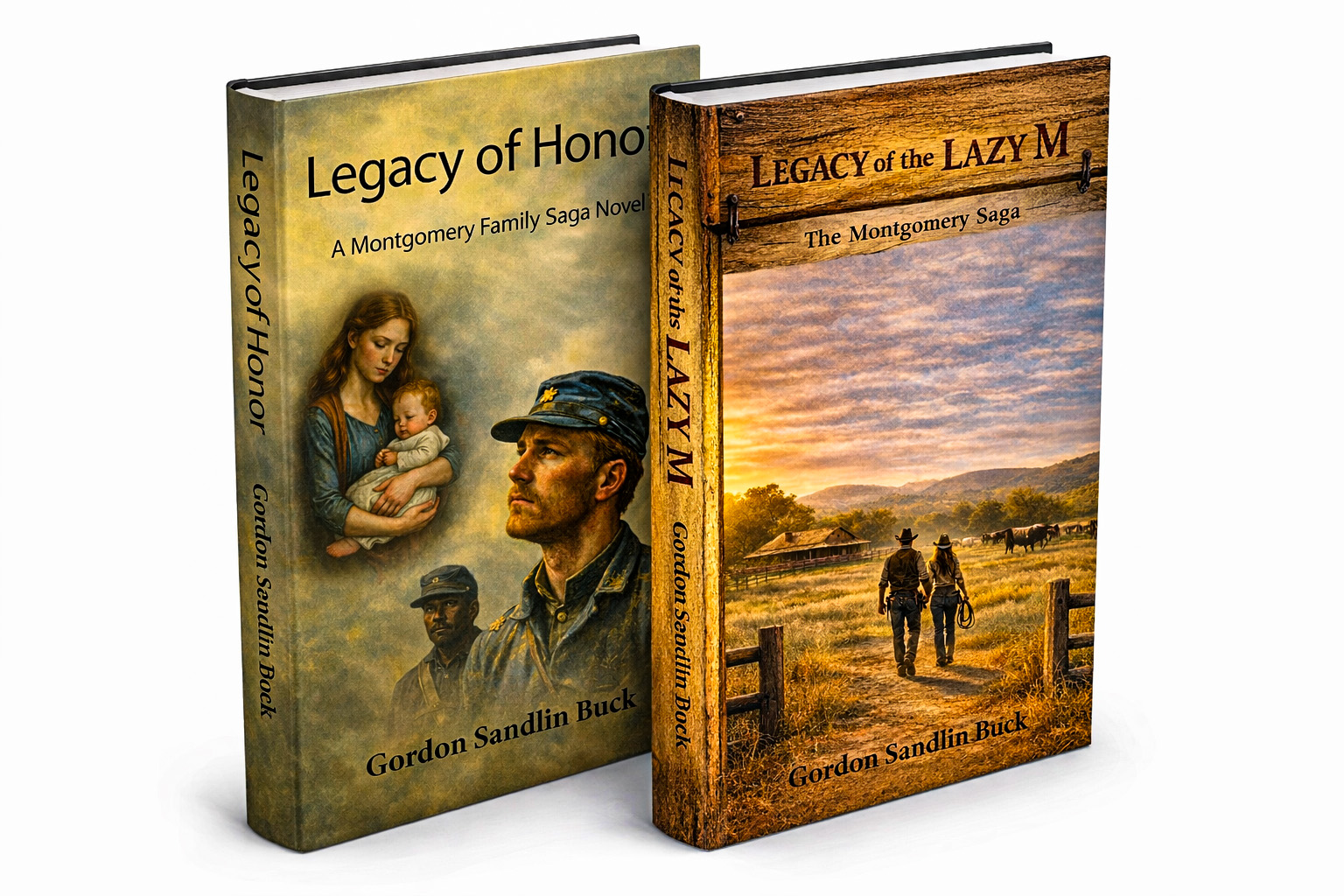
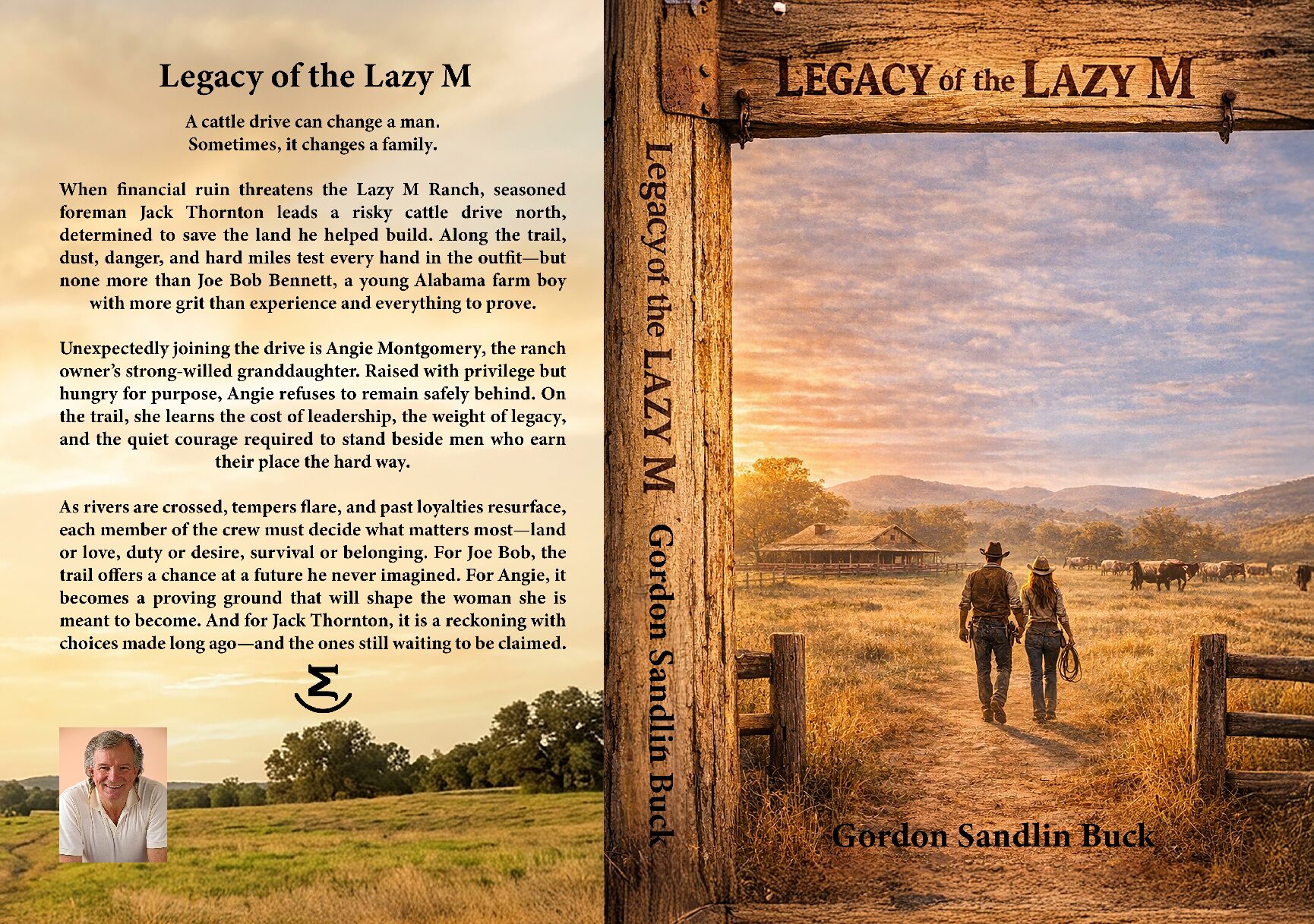
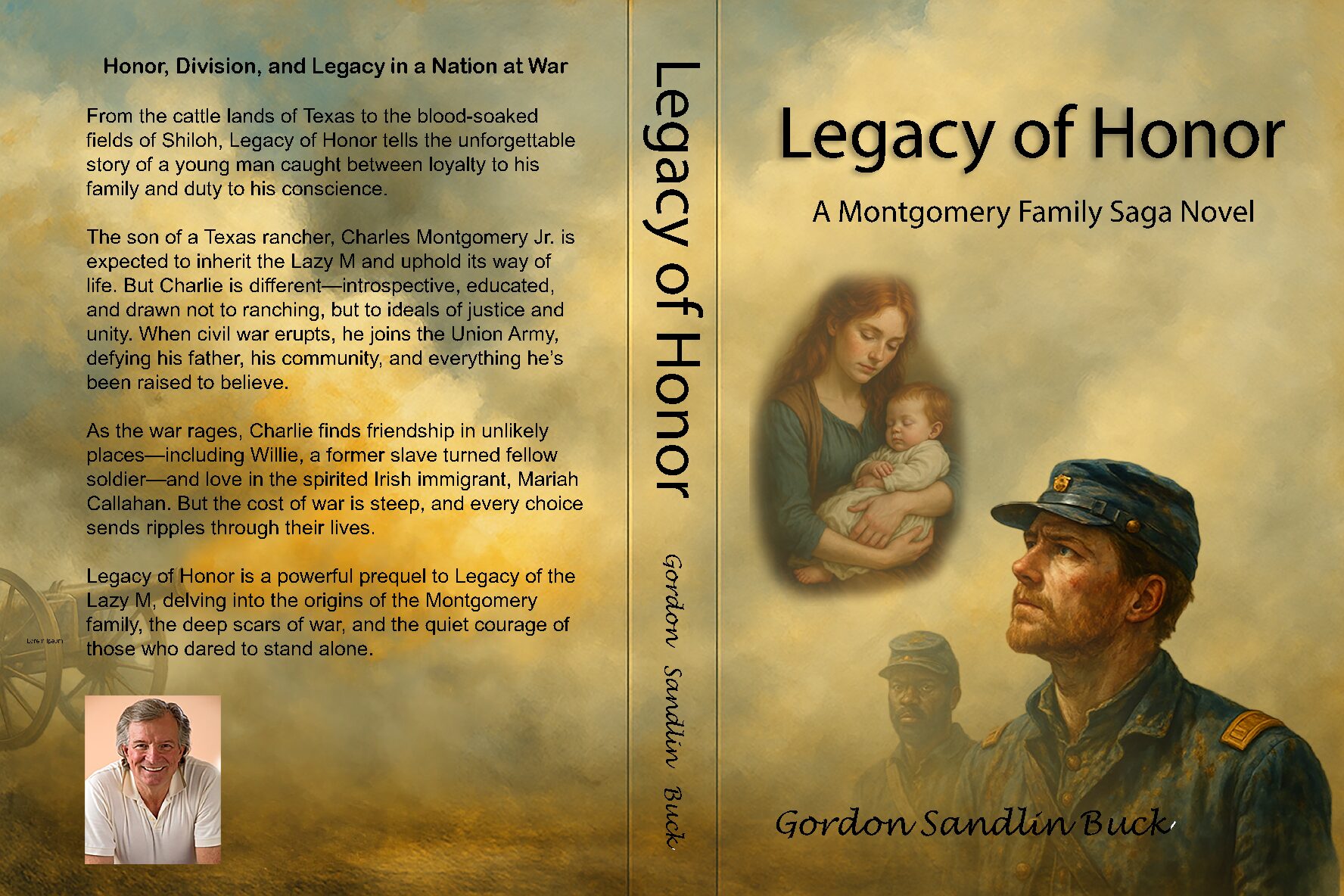
And if you’re one of the readers who’s stuck with me through the whole Montgomery Family Saga… I hope you’ll keep reading. The next story’s already underway.