Blog

  • The Story Behind Timepath

    The Story Behind Timepath

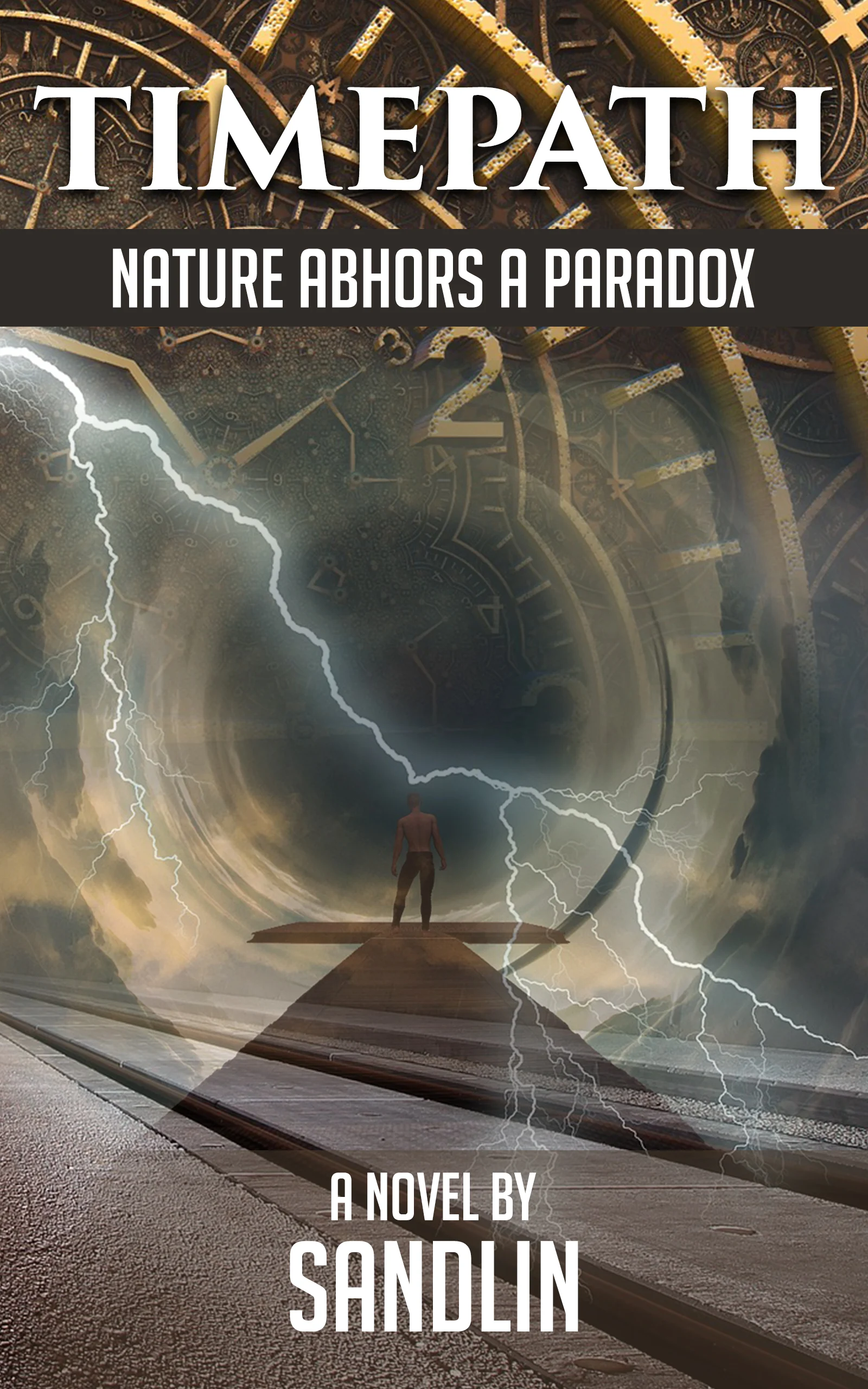
    When I first sat down to write Timepath, I had no idea it would become my most popular novel—or that it would take me on an unexpected journey of its own.

    Unlike my other historical fiction works, Timepath isn’t set in the American West. Instead, the story unfolds in Virginia, blending real history with one of my favorite “what ifs”: time travel.

    Now, I’ll admit something—I love the idea of time travel, but I’m not convinced it’s actually possible. Still, the concept is endlessly fascinating. What would we do if we could step into another era? Could we change history? Should we? Those questions became the foundation of Timepath.

    I began writing with only a broad plot in mind, fully expecting the story to follow a straight line. But as the characters and events developed in my head, the plot kept shifting. My original concept didn’t even include any women in the main storyline. Before long, though, I realized the novel was… well… a little dull without them. When I introduced female characters, something surprising happened: the plot took a strong romantic turn.

    At first, I nearly abandoned the project. I had never considered myself capable of writing romance, and I wasn’t sure I wanted to try. But instead of backing away, I embraced the challenge—and in doing so, I think the story became much richer. This romantic element has resurfaced in my other novels, especially Viking Princess and, more recently, Red-Haired Distraction.

    One element of Timepath that sometimes raises eyebrows is my use of the same name for different people in different eras. This wasn’t laziness—it was intentional. In my own genealogy research, I discovered that families often reused names across generations, and I wanted to reflect that reality in the novel. Yes, it can be a little confusing at times, but it’s also authentic to the way family histories unfold.

    Researching the early 1800s was one of the most rewarding (and demanding) parts of writing Timepath. I wanted the story’s historical and technological details to feel accurate, even as my characters were bending the rules of time. That meant studying real events, trades, and daily life from the period. In a few places, I had to take slight artistic liberties—but always with the goal of serving the story.

    If you enjoy history, adventure, romance, and a dash of scientific speculation, I hope you’ll give Timepath a read. It’s a novel that surprised me while I was writing it, and I think it just might surprise you too.

    After all, in Timepath, anything can happen when the past and present meet.
  • Which of My Novels Are the Most Popular?

    Which of My Novels Are the Most Popular?

    One question I’m occasionally asked is: Which of your novels is the most popular? It’s a fair question—and one I can answer with a few numbers.

    But before diving into the stats, let me say this: for me, writing novels has never been about making money. I write because I enjoy telling stories, exploring characters, and bringing new worlds to life. Every sale is a bonus, but the real reward is hearing that someone connected with a story I wrote.

    That said, here are the sales figures as they currently stand:

    As you can see, Timepath leads the pack by a wide margin. This science fiction time-travel adventure seems to resonate with readers who enjoy fast-paced plots with a twist of mystery and philosophical intrigue. I’m grateful for the support it’s received.

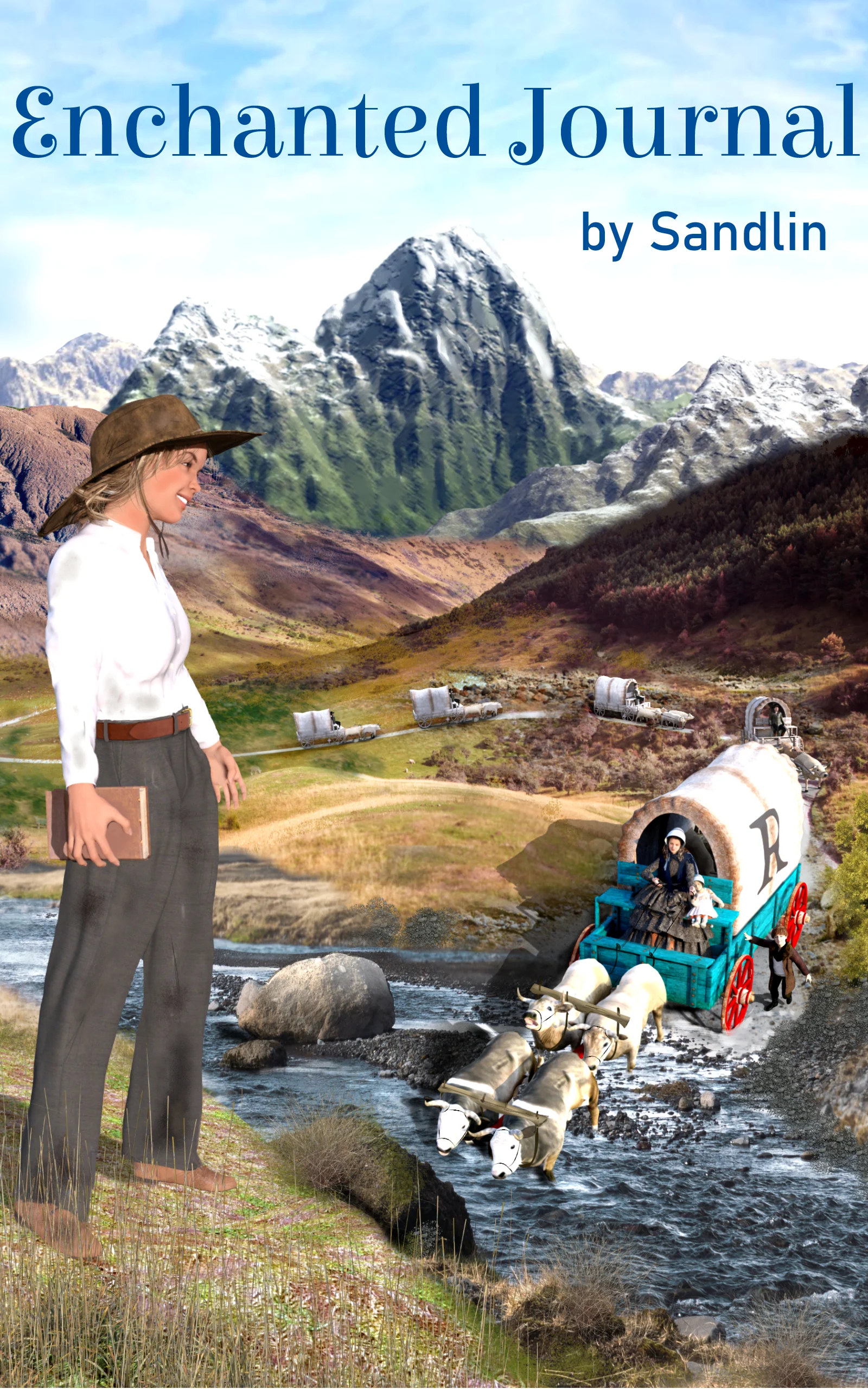
    After Timepath, the numbers drop sharply. Enchanted Journal has built a solid following, particularly among readers who love historical fiction with a touch of the mystical. It’s the book that launched my Oregon Trail series and eventually led to Pony Express, which continues the story after the wagon train arrives in Oregon.

    Red-Haired Distraction, a western adventure with a hint of romance, and The Viking Princess, a whimsical tale of college romance set in 1970, have found smaller but dedicated audiences.

    I’m proud of all these books and the worlds they represent.

    Of course, these numbers reflect only part of the picture. Many readers borrow books, share them with friends, or check them out from libraries. But if you’ve enjoyed one of my novels—or are curious to try one—you can help boost these numbers. Every reader, every review, and every recommendation makes a difference.

    Thanks for supporting my stories. I’ll keep writing as long as the ideas keep coming—and I’m grateful you’re on the journey with me.

  • The Dream That Became a Novel: How Enchanted Journal Was Born

    The Dream That Became a Novel: How Enchanted Journal Was Born

    After finishing The Viking Princess and TimePath, I knew I wanted to keep writing novels. The process had become something I loved—not just the storytelling, but the surprising discoveries along the way. But after those first two books, I hit a wall. I couldn’t find inspiration for what to write next. Days turned into weeks of creative frustration. I kept searching, waiting for a spark. Then one night, it came—in a dream.

    I dreamed of a wagon train crossing the rugged West and of a mysterious journal—an enchanted one—that guided a young girl traveling with the train. The dream was vivid, haunting, and oddly emotional. When I woke, the images stayed with me. It was eerie how real it had felt. What surprised me most was the subject matter. I had once been an avid fan of westerns, but I hadn’t read or watched anything about wagon trains in years. Yet here it was, clear as day, handed to me by my own imagination.

    The very next morning, I wrote what became the opening scene of Enchanted Journal. But then I hit a new obstacle—I didn’t really know much about the Oregon Trail. I’d never been on it, and I had only a foggy idea of what life was like for the pioneers who made that journey.

    So before I could write more, I dove into research. I studied maps, journals, and historical accounts—anything I could find. What I discovered was that there wasn’t just one Oregon Trail. There were multiple routes, variations that pioneers took depending on the season, the year, or the challenges they faced. My first task was to pick a specific trail to follow in my novel. Once I had that, I chose the prominent stops and camping sites from actual pioneer accounts and worked them into the storyline.

    Then came the characters. I began defining the people who would make up this fictional wagon train—their backgrounds, hopes, and conflicts. But as I wrote, the story kept growing. I realized I needed more characters to fill out the world of the trail—each with a purpose and a backstory. Writing Enchanted Journal was a long process, mostly because of the research required to make it believable. But it was also deeply rewarding.

    About three-quarters of the way through, it hit me—this story didn’t end when the wagon train reached Oregon. A sequel was obvious. So after completing Enchanted Journal, I went on to write Pony Express, which tells the story of what happened after the pioneers settled in Oregon.

    Looking back, I’m still amazed that it all started with a dream. Enchanted Journal became a story about courage, mystery, and the long road west—but it’s also a story about inspiration finding you when you least expect it.

    I hope you’ll take the journey with me and read Enchanted Journal.

  • Angie and Joe Bob: Interview

    Angie and Joe Bob: Interview

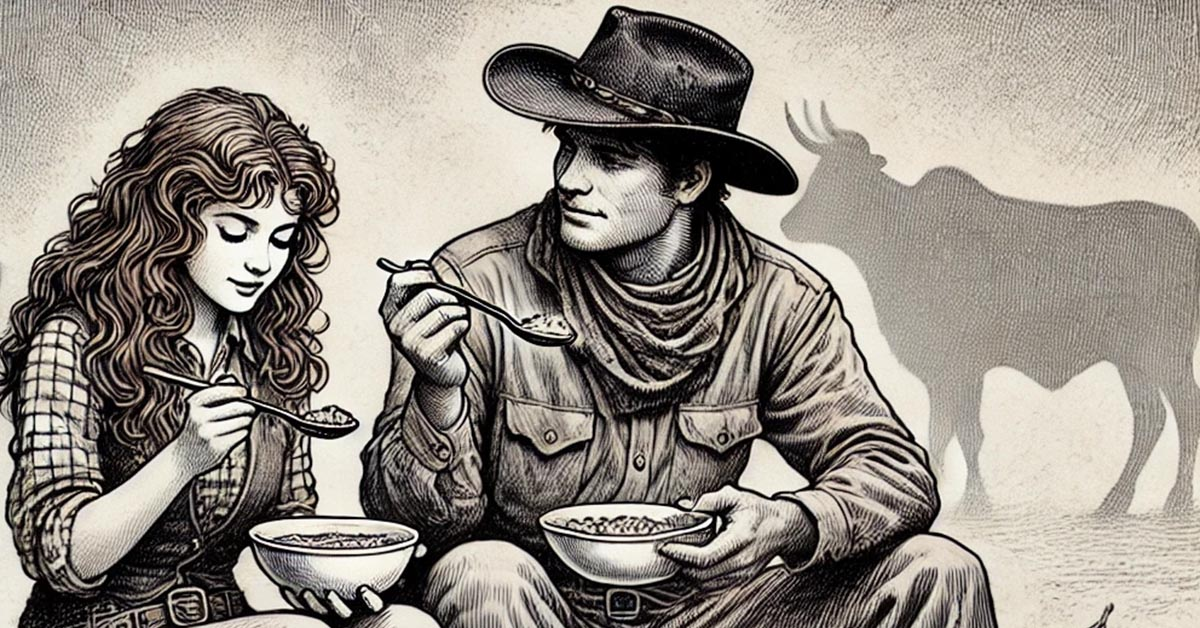
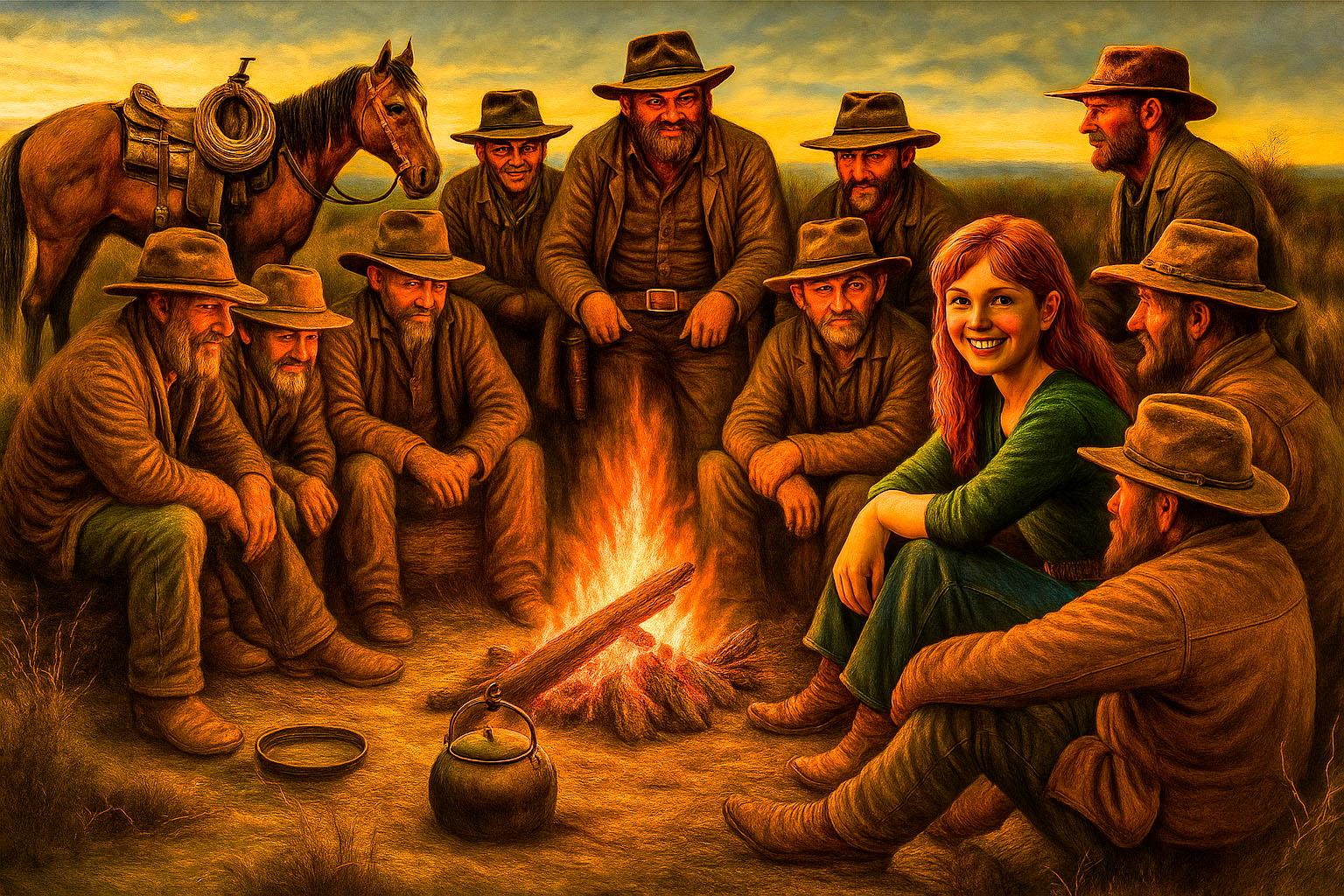
    According to ChatGPT, here’s how Angie and Joe Bob might describe their cattle drive experience during my novel “Red-Haired Distraction”.

    Angie: “It wasn’t exactly what I pictured. I thought I’d ride a little, shoot a little, maybe prove a point or two. But it turns out a cattle drive is mostly dust, blisters, and men who think a woman’s place is anywhere but in the saddle beside them.

    I’ve eaten more beans than I care to admit, gone days without a proper bath, and been talked down to more times than I can count. But I’ve also outridden a thunderstorm, helped birth a calf, and held my own in a remuda full of cowboys who don’t quite know what to do with me.

    And then there’s Joe Bob. Lord help me, I didn’t expect him. The trail changes people—burns away the easy parts. What’s left? That’s who you really are. I’m still figuring out who I am. But I’m not turning back.”

    Joe Bob: “Ain’t no one told me it’d be this rough. Thought I was just signin’ on to move cows from Texas to Abilene. Turns out, it’s more like sleepin’ on rocks, eatin’ the same beans every night, and wakin’ up so sore I can barely roll over.

    I been stepped on, near drowned, and had a man try to kill me over a poker hand. And still—I wouldn’t trade it. Not for all the land in Alabama. ‘Cause out here, a fella learns what he’s made of. You mess up, someone might die. You quit, and you don’t get asked back.

    And Angie… shoot. She’s tougher than any cowboy on this drive. Smarter too. She makes me want to be better—she makes me want to be the kinda man who don’t run. So I keep ridin’. One hoofbeat at a time.”

  • How I Use AI as a Writer

    How I Use AI as a Writer

    My last post discussed the upheaval caused by new tools—how people often resist, are confused by, and fear them. That was true of early machines once thought to disrupt the handwritten word. It’s true again today with artificial intelligence.

    So let me say plainly: I use AI to help me write. And I don’t feel ashamed of that. I also don’t feel afraid.

    Here’s why.

    AI can suggest. It can imitate. It can even surprise me with a phrase or image I hadn’t considered. But the heart of the story? The purpose? The soul behind the characters? That still comes from me.

    Every novel I write — including Red-Haired Distraction — begins with something deeply personal. A scene, a memory, a tension between two people. AI doesn’t feel those things. It doesn’t remember my grandfather’s face, or the sound of my father’s voice, or the scent of my mother’s kitchen. I do.

    AI can help shape a paragraph. But it can’t live the life behind it.

    Sometimes I use AI like a conversation partner — the kind who doesn’t get tired of answering questions or making suggestions. What would a 17-year-old girl wear in 1870 Texas? How would a freight wagon be loaded? I can ask, and it gives me a start — a lead I can research further, refine, or reject.

    When I get stuck mid-sentence or wonder if a scene is too slow, I can test an idea with AI. Often, it’s not about finding the “right” wording, but unlocking my own.

    And let’s be honest — there are parts of writing that feel like chores. Rewriting a blurb for the fifth time. Cleaning up typos. Formatting a blog post. These aren’t creative decisions — they’re housekeeping. And just as I don’t churn my own butter, I don’t mind getting a little help here.

    If a tool helps me spend more time in the creative work — the part I love — then I’m glad to use it.

    AI doesn’t make decisions for me. It doesn’t write chapters while I sip coffee on the porch. It doesn’t know what I want a character to feel when he stares across a campfire, or how I want a reader to sigh at the end of a scene. Those are choices I make. Always.

    To me, AI is like a sharp pencil or a well-lit desk — a tool that helps me do what I already want to do, more clearly and more effectively.

    I write historical fiction because I believe in stories that connect us across time. If a tool helps me build that bridge — even in a small way — then I’ll use it. Thoughtfully. Humbly. With care.

    If the story still moves you, still rings true, still lingers after the last page… then I’ve done my job.

    And if AI helped carry a few bricks while I built it, so be it.

  • The Clatter of Change

    The Clatter of Change

    It arrived with an unfamiliar rhythm.

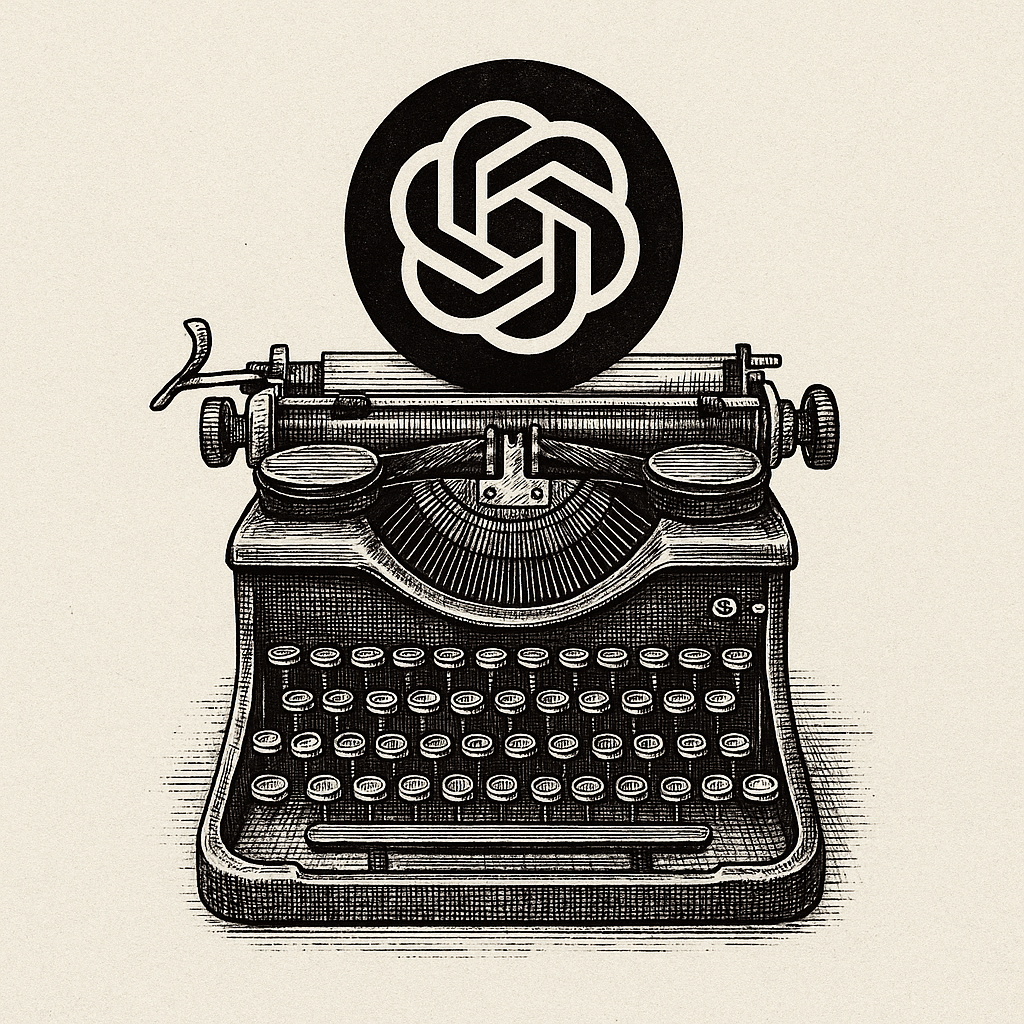
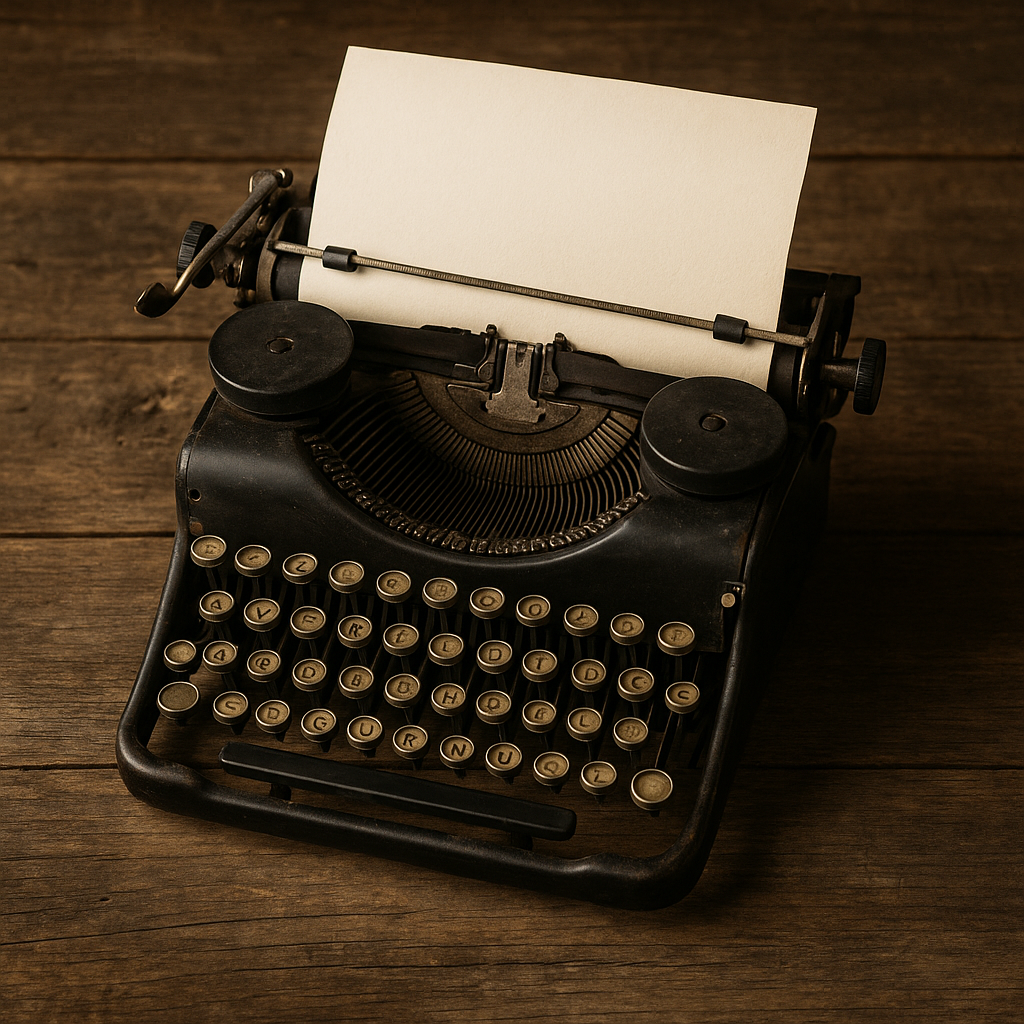
    Not the smooth scratch of a pen, not the flowing cursive of a practiced hand — but a mechanical staccato, loud and abrupt. To some, it was thrilling. To others, it was an offense. They said it was soulless. Impersonal. A noisy threat to tradition.

    The early adopters were called impatient. Overeager. Arrogant, even. Why rush what was once done with care? they were asked. What need is there to meddle with the methods that worked for centuries?

    Teachers frowned. Writers hesitated. Secretaries resisted. And yet, slowly, the rhythm spread. Not because it was beloved — at least not at first — but because it worked. Because it was fast. Because it changed the way things got done, and once people adjusted to the noise, they heard something else: potential.

    Not perfection, mind you. It made mistakes — often spectacular ones. But it also made things possible that hadn’t been before. A farmer’s son could send a legible letter across the country. A clerk could transcribe a whole meeting without losing pace. A novelist could keep up with his ideas before they slipped away.

    And over time, that strange, abrupt rhythm became the new music of modern thought.

    We’re in another such moment now.

    The clatter is different — it’s silent, mostly — but the questions are the same. Is this real writing? Is it good for us? Does it replace what came before or expand it? Will we lose something essential if we embrace it?

    Artificial intelligence, like that early typewriter, challenges not just how we write but how we think. It prompts wonder and discomfort in equal measure. It’s easy to see the risks. But if we look back at history — even our own family stories — we see this pattern repeatedly.

    Tools change. Humans wrestle with them. And in the tension between resistance and adoption, we find something new — not just in how we work, but in how we understand ourselves.

    The clatter of change is nothing new. What matters is how we listen.

  • How I Came to Write Red-Haired Distraction

    How I Came to Write Red-Haired Distraction

    After finishing Pony Express, I found myself in an unusual place as a writer — I wanted to keep going, but the well of inspiration had run dry. I tried to force ideas, but nothing stuck. So I did what many writers do when the creative spark dims: I read.

    I dove headfirst into a stack of Western-themed novels, hoping that something would stir me. I read the classics, the dime-store paperbacks, and the modern takes — all with wide-brimmed hats, dusty trails, and hard-eyed gunslingers. But instead of inspiration, I kept running into sameness. The characters started to blend together. The plots echoed one another. After a while, I joked to a friend that all these Westerns are the same story in different boots.

    That’s when the idea hit me — or rather, when my friend nudged me toward it. He sent me a brief blurb about something called a “Hoodlum Wagon.” It was just a quirky little note, almost an offhand comment, but something about it stuck. I scribbled out a short scene based on that idea — nothing more than a sketch, really — but it was enough to shake loose the dust in my imagination.

    And then I thought: Why not write the most generic Western I can? One that deliberately includes every trope and cliché I’ve been reading about? I decided to lean into it. To have some fun with it. And so, I began writing.

    Of course, my Western needed a beautiful girl, the kind who turns heads but doesn’t put up with nonsense. There had to be an aimless country bumpkin, sincere and out of his depth, and a bully — someone you’re just waiting to see get what’s coming to him. There would be longhorn cattle, a trail drive, and yes — the obligatory stampede. A quick-draw gunfighter was a given. A gunfight at high noon? Naturally. I was building a Western from the bones of every Western I’d ever read.

    What I didn’t expect was for the story to grow into something more.

    Once I had a rough draft, I shared it with a thoughtful reader who took the story far more seriously than I had at first. She asked questions. Deep questions. About the characters, their motivations, their pasts — questions I hadn’t thought to ask myself. She challenged me to consider why they acted the way they did, what they feared, and what they wanted beyond the surface of the story.

    That changed everything.

    I rewrote. I layered in backstory. I gave my characters the weight of real choices. What started as a playful exercise became something richer, more meaningful. I dug into themes of identity, pride, hardship, and resilience. The clichés remained — but now they had roots.

    In the end, the novel I set out to write as a generic, even ironic Western became something I’m truly proud of. Red-Haired Distraction is, without question, my best work to date — not because it’s full of gunfights and cattle, but because it’s full of real people, living through a time and place that shaped them.

    Sometimes, inspiration doesn’t come in a lightning bolt. Sometimes, it comes when you lean into the ordinary — and take it seriously.

  • Why I Write Historical Fiction

    I’ve always been drawn to the past — not the textbook version filled with dates and declarations, but the lived-in kind: the weathered hands, the half-remembered family stories, the quiet decisions that changed everything. The kind of history that’s made up of people, not just events.

    That’s why I write historical fiction.

    I don’t write to re-create famous battles or to walk in the footsteps of presidents. I write to imagine what it felt like to stand on a dusty trail in Texas, unsure of your future. Or to climb aboard a wagon train and watch the horizon roll slowly toward Oregon. Or to fall in love, lose someone dear, or make a life-changing choice in a world without modern conveniences — when what you had was grit, faith, and each other.

    Historical fiction, at its best, does more than just set a story in the past. It gives voice to those who didn’t leave journals behind, who didn’t make headlines, but whose lives mattered deeply. It lets us see ourselves in a different time — not as tourists, but as participants.

    I didn’t set out to write in this genre intentionally. In fact, I tried writing other kinds of stories over the years. But the more I read and the more I wrote, the more I was pulled toward settings where character, place, and hardship collide. There’s something deeply human about the struggles of the past — something that still speaks to us today.

    I also think historical fiction lets us slow down. It forces us to strip away distractions and listen more closely — to the cadence of speech, the creak of wagon wheels, the hush before a decision. You can’t just jump to the next plot point. You have to live in it, walk through it, and understand what it cost.

    Of course, there’s research involved. I’ve spent more hours than I can count reading old newspapers, maps, diaries, and journals. But for me, the history is only the frame. The real story is always the people — how they lived, what they feared, what they hoped for. That’s what I try to bring to life in my novels.

    Maybe it’s a way of honoring the past. Maybe it’s a way of understanding myself. Maybe it’s both.

    Either way, I’m glad to have found this path — and grateful to those who read along as I follow it.

  • A Writer’s Inheritance

    A Writer’s Inheritance

    As an avid reader, I’ve always dreamed of writing novels. Over the years, I made several attempts — most of them unfinished, all of them unsatisfying. The ideas were there, but the spark always seemed to fizzle before I could carry a story across the finish line.

    Professionally, I spent a career immersed in writing of a very different kind. I authored engineering books, technical manuals, computer guides, operating procedures, research papers, and — of course — countless memos. Precise. Structured. Efficient. That kind of writing served its purpose, but it also conditioned me to think in bullet points and conclusions, not dialogue and nuance. For a long time, I blamed that ingrained, technical style for keeping me from writing fiction the way I truly wanted.

    Eventually, I stopped trying to write the way I’d been taught — with outlines, rigid timelines, and carefully sequenced chapters. I turned to a more instinctive approach: unplanned, irregular, and non-chronological. I began to jot down scenes and snippets of dialogue as they came to me, letting the characters lead the way. I’d drop them into situations just to see how they’d respond, and gradually, something more honest and surprising would emerge. Characters began to grow. The story began to breathe.

    What I didn’t realize at first was that I might not have been the first in my family to take this path.

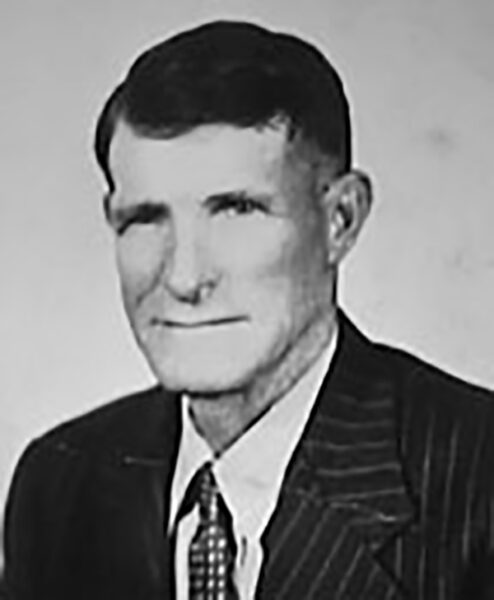
    My maternal grandfather, James Warren Hale (1886–1966), spent most of his life as a laborer for the railroad. I’d always heard that he “wrote stories” during his retirement, but it wasn’t until recently that I learned the full scope of his creative output. What we found astonished me: over 4,400 handwritten pages, across 35 journals, filled with 28 short stories, plays, and novels — all penned in his own careful script, beginning around 1942 and possibly even earlier.

    His writing remained unknown to most of our family for decades. Now, I’m slowly sorting through his pages — grouping, skimming, reading — and getting to know a man I thought I already understood. His voice, preserved in ink, feels familiar yet new. He, too, had the itch to write, and he scratched it not with ambition, but with persistence.

    His wife — my grandmother, Annie Lena Bennett (1890–1940) — passed away on Christmas Day in 1940. Two years later, he completed his first story. Was it grief that opened the door to storytelling? Or was it a quiet passion long held in check? With his children off serving in World War II, perhaps writing became a form of company. Maybe it was simply something he loved. We’ll never know for sure.

    But I like to think that, just as I’ve come to enjoy writing later in life, he did too. Not for fame, and not for publication — but for the joy of it. The work of it. The soul of it.

    In many ways, I’m walking the trail he never finished.
    And I’m grateful for the inheritance.

  • Welcome to Sandlin Stories!

    Welcome to Sandlin Stories!

    Every story has a beginning — and this is mine.

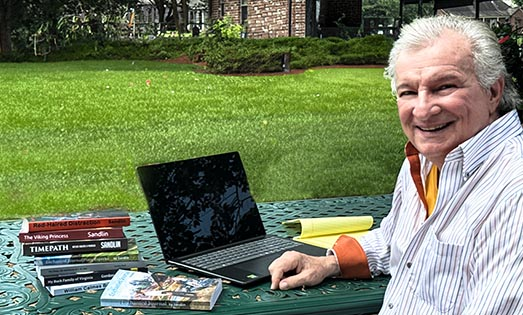
    Welcome to Sandlin Stories, the home of my novels, reflections, and occasional musings from the trail. Whether you arrived here after reading Red-Haired Distraction, stumbled across my books on Amazon, or just wandered in out of curiosity, I’m glad you’re here.

    I write under the name Sandlin, and I’ve published five historical novels — each rooted in the past but written for readers today. Some take place on dusty cattle trails or inside frontier towns. Others reach farther — into different times, different lives. But no matter the setting, my stories are about character, courage, and change.

    This blog is where I’ll share the stories behind the stories:

    • The historical research and real-life events that inspired the novels
    • Reflections on the writing process — the good, the gritty, and the gratifying
    • Sneak peeks at upcoming books
    • Thoughts on history, language, and the lives of ordinary people who shaped extraordinary times

    You might find a few maps here. A few photos. A few old family stories that sparked something. And from time to time, I’ll introduce the characters who’ve become as real to me as neighbors.

    My hope is that Sandlin Stories becomes more than just a place to talk about books. I want it to feel like a campfire at the end of a long day — where we can pause, reflect, and share something that lasts longer than a page turn.

    Thanks for visiting. I hope you’ll stay a while.