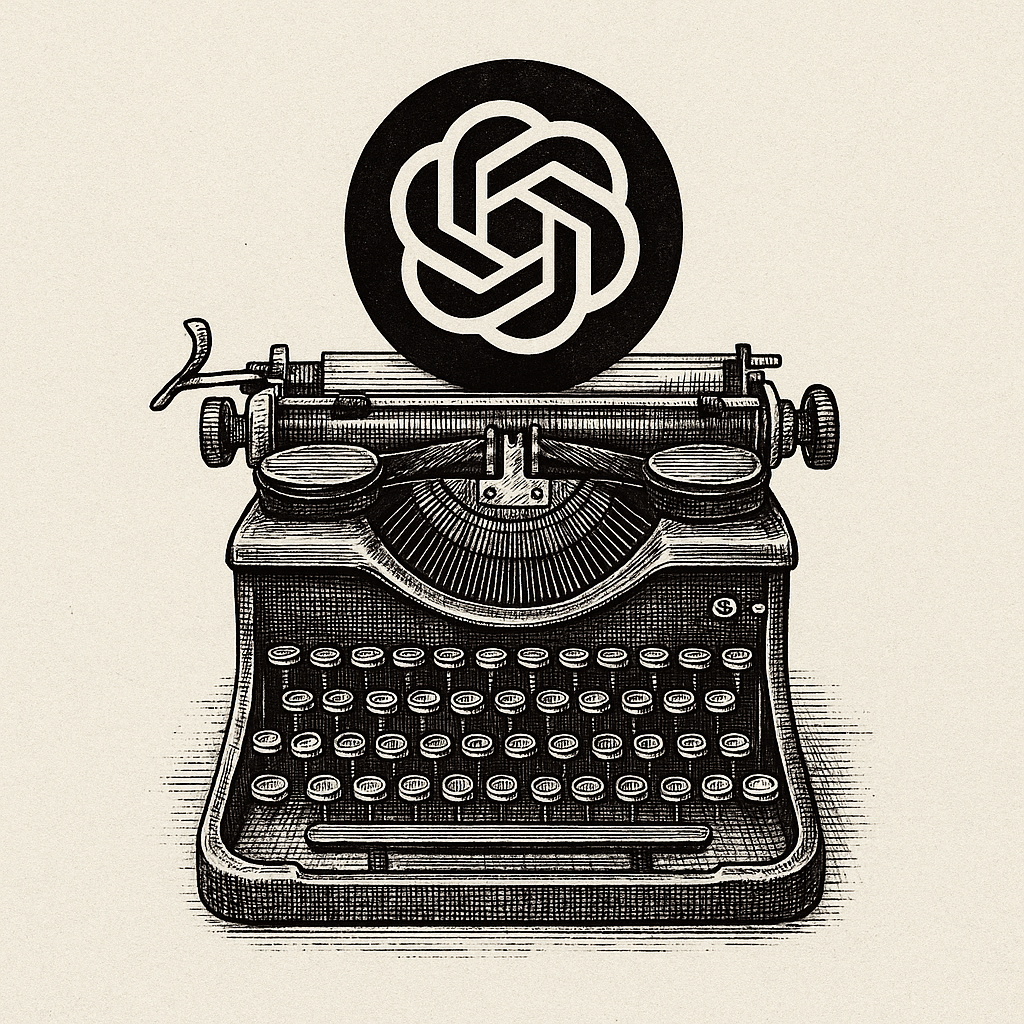
It arrived with an unfamiliar rhythm.
Not the smooth scratch of a pen, not the flowing cursive of a practiced hand — but a mechanical staccato, loud and abrupt. To some, it was thrilling. To others, it was an offense. They said it was soulless. Impersonal. A noisy threat to tradition.
The early adopters were called impatient. Overeager. Arrogant, even. Why rush what was once done with care? they were asked. What need is there to meddle with the methods that worked for centuries?
Teachers frowned. Writers hesitated. Secretaries resisted. And yet, slowly, the rhythm spread. Not because it was beloved — at least not at first — but because it worked. Because it was fast. Because it changed the way things got done, and once people adjusted to the noise, they heard something else: potential.
Not perfection, mind you. It made mistakes — often spectacular ones. But it also made things possible that hadn’t been before. A farmer’s son could send a legible letter across the country. A clerk could transcribe a whole meeting without losing pace. A novelist could keep up with his ideas before they slipped away.
And over time, that strange, abrupt rhythm became the new music of modern thought.
We’re in another such moment now.
The clatter is different — it’s silent, mostly — but the questions are the same. Is this real writing? Is it good for us? Does it replace what came before or expand it? Will we lose something essential if we embrace it?
Artificial intelligence, like that early typewriter, challenges not just how we write but how we think. It prompts wonder and discomfort in equal measure. It’s easy to see the risks. But if we look back at history — even our own family stories — we see this pattern repeatedly.
Tools change. Humans wrestle with them. And in the tension between resistance and adoption, we find something new — not just in how we work, but in how we understand ourselves.
The clatter of change is nothing new. What matters is how we listen.